


- 20 April 2026
- By: Edge Admin
- in: Information

The Hidden Danger of Indoor Mould – Health Risks, Causes & Prevention
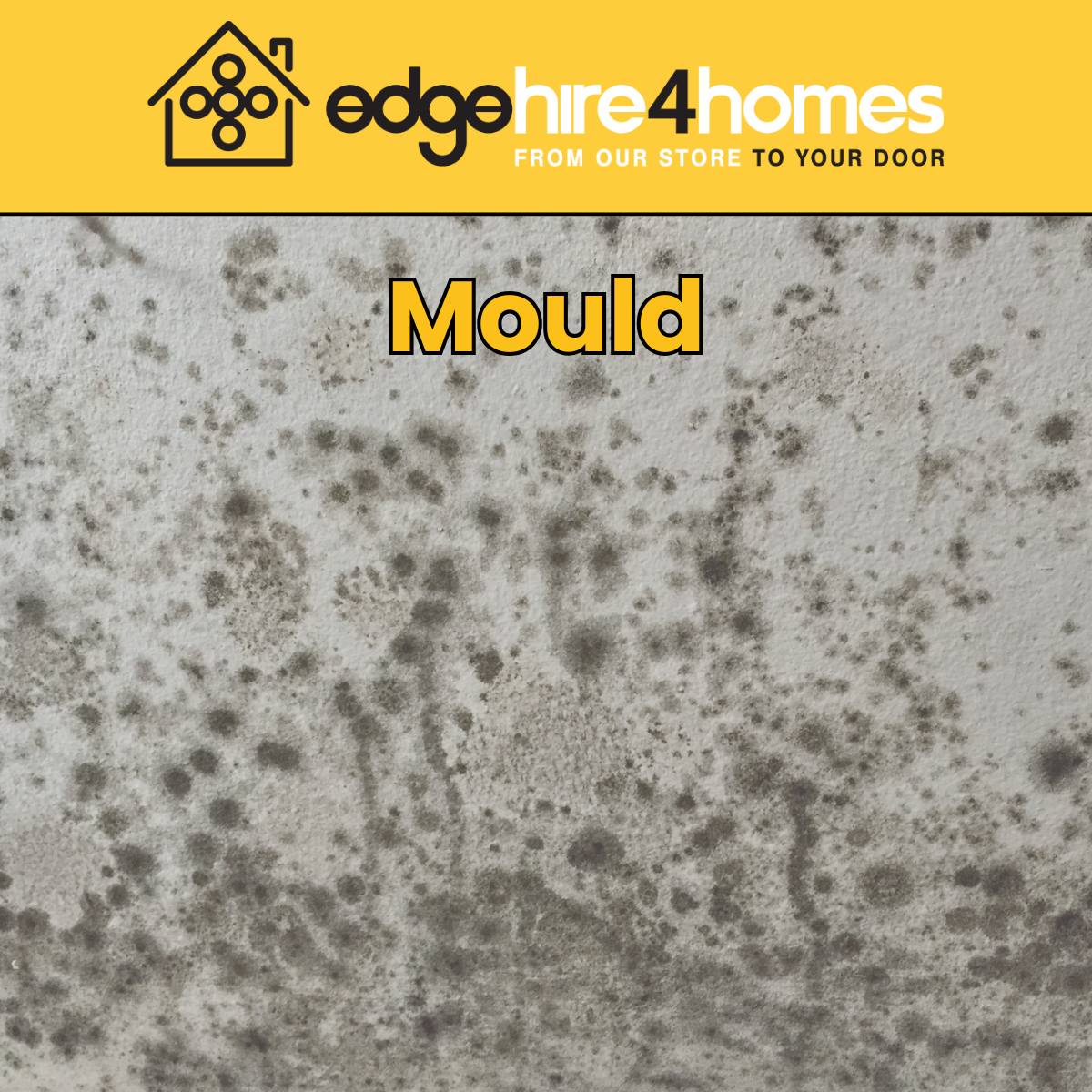
Mould in the home isn’t just an unsightly stain on the wall—it’s a serious health hazard that many people overlook. Indoor mould can trigger allergies, worsen asthma, and even cause long-term respiratory issues. The biggest problem? Mould often grows in hidden places, meaning you may not notice it until it’s already affecting your health.
Common Signs of Mould Exposure
If you notice these symptoms at home or at work, you could be dealing with a mould problem linked to damp or poor ventilation.
Where Does Mould Grow?
Mould thrives in damp, humid, or poorly ventilated areas. The most common mould hotspots include:
Left untreated, mould and damp can damage your property, cause structural issues, and impact your health.
How to Prevent and Remove Mould
Early mould treatment is always better than expensive mould remediation later. Preventing damp and improving ventilation are the most effective long-term solutions.
Have you had to deal with mould in your home or workplace? How did you get rid of it? Share your tips below to help others create healthier, mould-free indoor spaces.


We specialise in hiring modern, reliable equipment delivered straight to your door, by our people, in our vehicles.