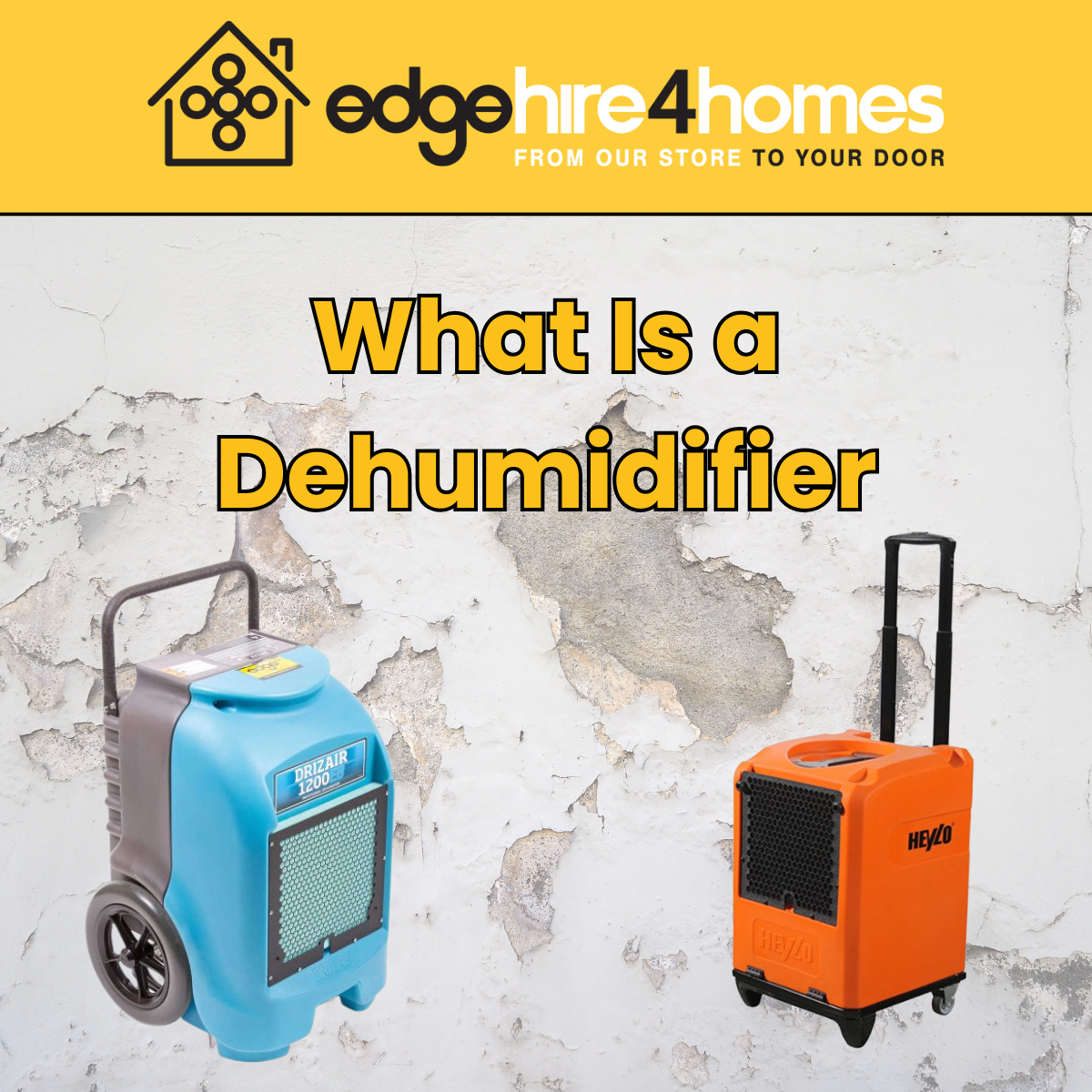
Dehumidifier Hire Prices: 2026 Cost & Guide
Whether you’re dealing with the aftermath of a burst pipe or simply trying to banish winter condensation, hiring a dehumidifier is a flexible, cost-effective way to restore your home’s air quality.
This guide breaks down current rental rates, running costs, and how to choose the right unit for your needs.
Why Hire Instead of Buy?
While purchasing a dehumidifier is an option, hiring offers several distinct advantages:
- No Long-Term Commitment: Pay only for the duration you need—perfect for one-off tasks like drying new plaster or flood recovery.
- Professional Maintenance: The rental company handles all servicing and repairs, ensuring you receive a high-performing, clean machine.
- Access to Industrial Power: High-capacity “building dryers” are expensive to buy but affordable to hire for rapid moisture extraction.
- Zero Storage Issues: Once the job is done, the unit goes back, leaving your cupboards clutter-free. Average
- Dehumidifier Hire Costs (2026)Rental prices vary based on the unit’s capacity and your location.
- Below are our current stock
Hire Type
- Small Dehumidifier
- Large Dehumidifier
- Note: Many providers offer discounted rates for longer hire periods (4 weeks+).
- Always check if a deposit or delivery fee applies.
Understanding Running Costs
- With electricity prices currently stable in early 2026, dehumidifiers remain an economical solution compared to traditional heating.
- Standard Home Unit (approx. 250W): Costs roughly 7p per hour.
- High-Capacity Unit (approx. 500W): Costs roughly 14p per hour.
- Average Weekly Running Cost: If used for 8 hours a day, expect to add approximately £3.50 – £8.00 to your weekly energy bill depending on the model.
See our electricity usage costs calculator here
- Key Factors That Influence Your Quote
- 1. Extraction Capacity: Measured in litres per day (L/day). A small 10L unit is fine for a bedroom, but a 50L+ industrial unit is necessary for flood damage.
2. Type (Refrigerant vs. Desiccant):
- Refrigerant (Compressor): Best for heated homes and general damp.
- Desiccant: More expensive to run but highly effective in cold environments like garages or unheated basements.
- 3. Duration: While the daily rate is higher, it’s cheaper for a 48-hour “emergency” dry. For renovations, a weekly or monthly flat rate is better value.
- Benefits at a Glance
- Health: Reduces mould spores and allergens in the air.
- Structural Integrity: Prevents rot in floorboards and peeling wallpaper.
- Speed: Accelerates the drying of laundry, paint, and plaster.
- Comfort: Removes that heavy, “damp” feeling and eliminates musty odours.