


- 20 April 2026
- By: Edge Admin
- in: Information

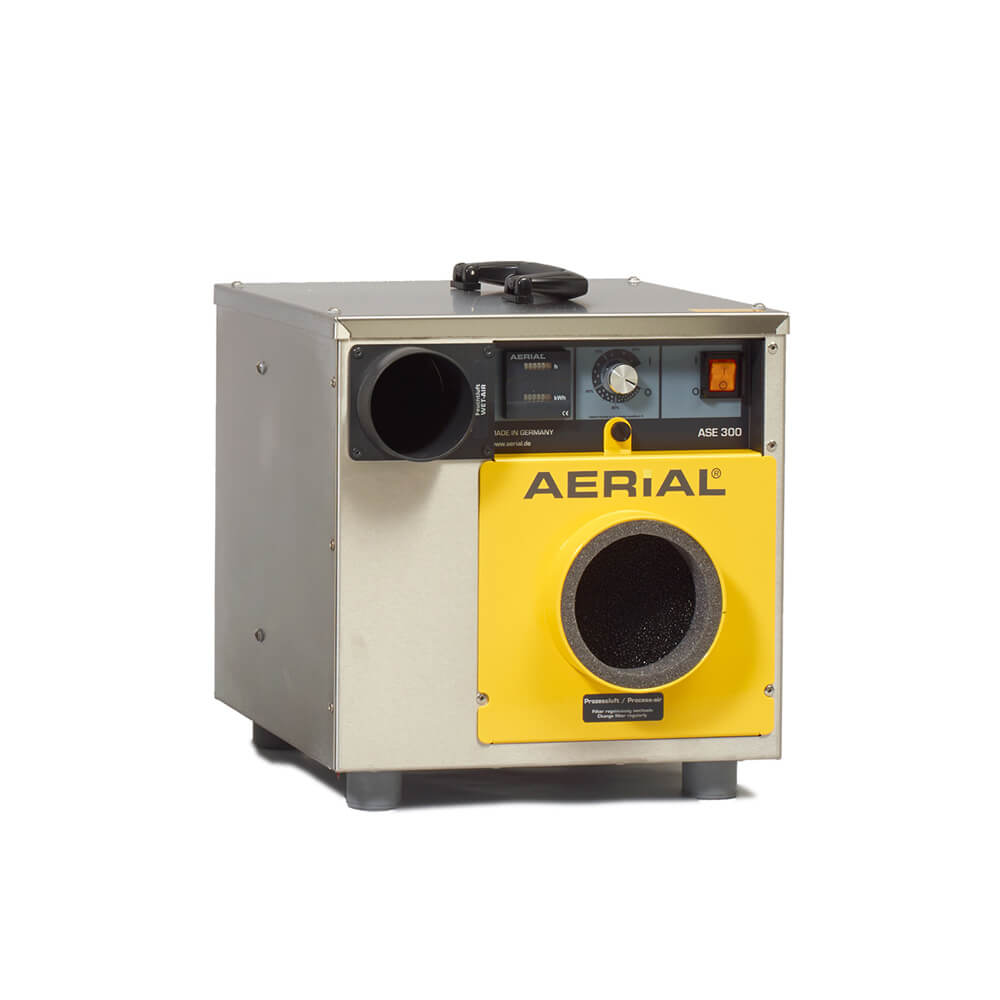
When standard refrigerant dehumidifiers reach their limits—especially in the cold UK climate or when “bone-dry” conditions are required—professionals turn to Adsorption Dryers.
At Edgehire4homes, we utilize this technology in our trailer units because it offers a level of moisture extraction that traditional “condensation” units simply cannot match. Here is the breakdown of the science behind the machine, based on the latest industry standards.
Unlike a standard dehumidifier that uses a cooling coil to create “dew,” an adsorption dryer uses hygroscopic properties.
Inside the unit is a slow-turning rotor packed with highly hygroscopic silica gel . This material acts like a high-tech sponge, chemically attracting and trapping water vapor directly from the air as it passes through the rotor. This stage is known as the Adsorption Process.
The efficiency of these units comes from two separate air streams flowing in opposite directions through the rotating wheel:
The Process Air (Drying): Humid air from your property is pulled into the “adsorption area” of the rotor. The silica gel grabs the moisture, and dry air is blown back into the room.
The Regeneration Air (Cleaning): To keep the “sponge” from getting soaked, a second stream of hot air is forced through the rotor in the opposite direction. This heat forces the trapped water vapor out of the silica gel, “regenerating” it so it can go back around and grab more moisture.
Because this system is based on sorption rather than condensation, it has two massive advantages for UK homeowners and contractors:
Temperature Independence: Standard dehumidifiers stop working effectively below 15 degrees because they rely on making a coil “cold.” Adsorption dryers work perfectly in low-temperature conditions, even in unheated winter construction sites .
Deep Drying: These units can achieve exceptionally low humidity levels (the kind required for pharmaceutical labs or drying deep into concrete slabs) that refrigerant units can never reach .
Check availability of our absorption dehumidifiers
| Feature | Refrigerant (Condensation) | Adsorption (Desiccant) |
| How it works | Cools air to “wring out” water like a cold soda can. | Uses Silica Gel to “magnetically” pull water from air. |
| Best Temperature | Warm (15 degrees to 30 degrees) | All Temps (-10degrees to 35 degrees) |
| Winter Performance | Poor; coils often freeze up. | Excellent; works perfectly in unheated sites. |
| Drying Depth | Great for “surface” moisture and air. | Deep structural drying (concrete/brickwork). |
| Target Humidity | Typically hits a floor of 40% RH. | Can reach “Desert Dry” (below 10% RH). |
| Common Use | Standard home leaks, summer damp. | Flood recovery, construction, winter projects. |
If you are hiring a unit for a building with no central heating during a UK winter, always choose Adsorption. A refrigerant unit will simply sit in “defrost mode” for half the day, costing you rental money while doing almost no work.


We specialise in hiring modern, reliable equipment delivered straight to your door, by our people, in our vehicles.