


- 20 April 2026
- By: Edge Admin
- in: Information

Flooding can have serious and lasting impacts on both property and personal health. Beyond the immediate damage to homes, the aftermath often exposes residents to a range of health hazards hidden within floodwater.
At EdgeHire4Homes, we understand how overwhelming flood recovery can be — especially when you’re trying to protect your family’s wellbeing while restoring your home.
Floodwater isn’t just rainwater. It can carry a mix of contaminants and debris that pose real risks to health, including:
These contaminants can cause skin irritation, stomach illnesses, and infections — even long after the visible water has gone.
While outbreaks of disease following flooding are rare in England, simple hygiene steps remain vital in protecting yourself and others.
The most effective way to stay safe is through thorough handwashing:
Maintaining these habits during and after flood recovery can significantly reduce the risk of infection.
Following a flood, it’s essential to take steps to ensure your home environment is safe:
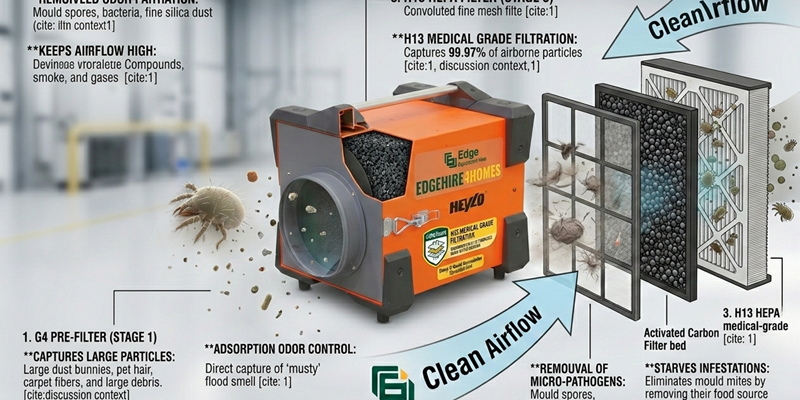
At EdgeHire4Homes, we provide specialist flood recovery and drying equipment to help homes recover safely and efficiently after water damage. Our equipment range includes:
We also offer expert guidance on safe waste disposal, mould prevention, and property drying solutions, helping you restore your home quickly while protecting your health.
Recovering from a flood is never easy — but you don’t have to do it alone.
EdgeHire4Homes is here to help homeowners, landlords and tenants recover, restore and return safely after flood damage.
To find out how we can support your flood recovery and protect your health, get in touch with our team today.


We specialise in hiring modern, reliable equipment delivered straight to your door, by our people, in our vehicles.