


- 16 June 2026
- By: Edge Admin
- in: Information

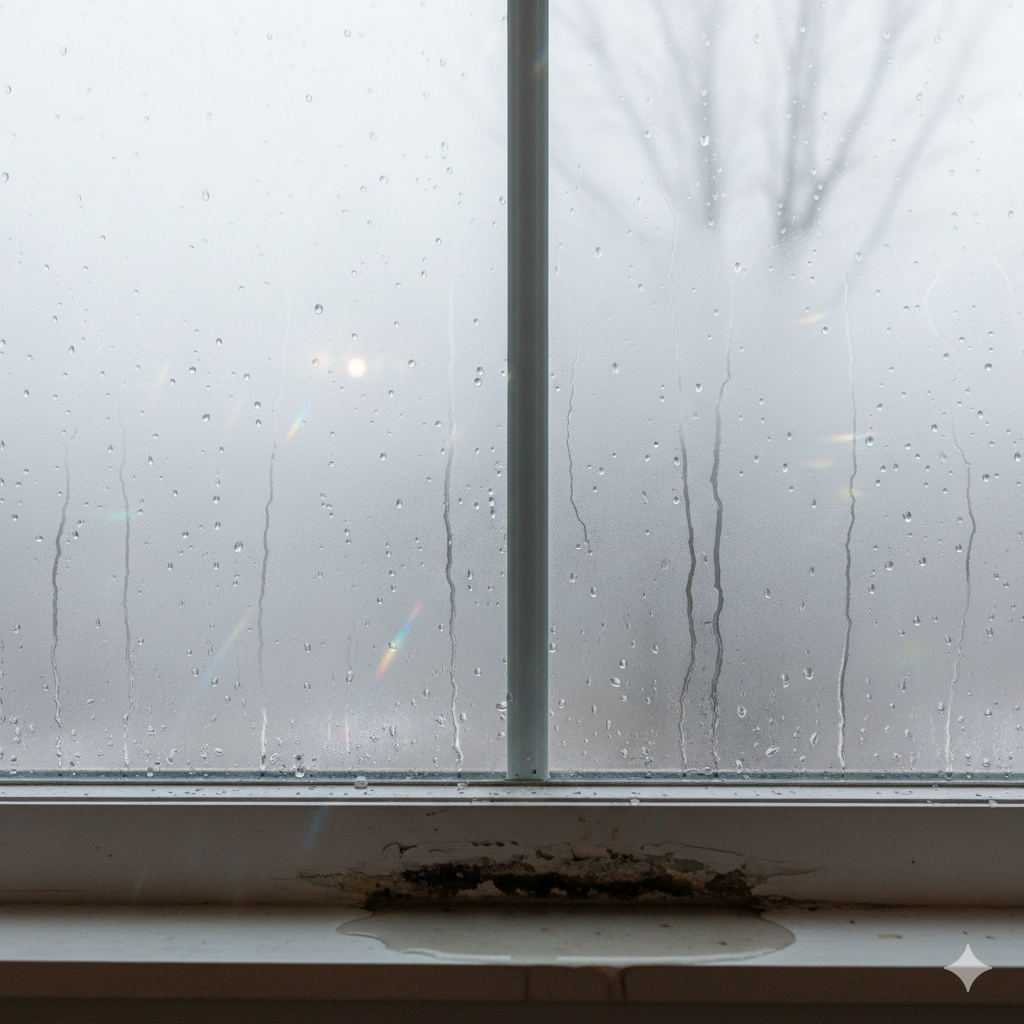
Window condensation, the foggy build-up often seen on glass, is more than just a nuisance that obstructs your view. It can signal underlying moisture problems in your home and, if left unaddressed, can lead to mould growth, damaged window frames, and reduced energy efficiency. Understanding its causes and implementing effective prevention strategies is key to maintaining a healthy and comfortable living environment.
What Causes Window Condensation?
Condensation occurs when warm, moist air comes into contact with a cooler surface, causing the water vapor in the air to change into liquid. In homes, this typically happens when:
High Indoor Humidity: Activities like cooking, showering, drying clothes, and even breathing release significant amounts of moisture into the air. If this humid air cannot escape, it accumulates.
Cold Window Surfaces: Windows, especially older, single-pane units, are often the coldest surfaces in a room during colder months. This temperature difference is the perfect recipe for condensation.
Lack of Ventilation: Insufficient airflow prevents moist air from being expelled, allowing it to linger and condense.
Effective Strategies to Prevent Window Condensation:
Preventing condensation largely revolves around two main principles: reducing indoor humidity and improving window insulation and ventilation.
1. Reduce Indoor Humidity:
This is the most crucial step.
Ventilate During Moisture-Generating Activities:
Kitchens: Always use exhaust fans when cooking, especially when boiling water or simmering dishes. If you don’t have one, open a window slightly.
Bathrooms: Run the bathroom fan during and for at least 15-20 minutes after showers and baths.
Laundry Rooms: Ensure your dryer is properly vented to the outside.
Use Dehumidifiers: In basements or areas with persistently high humidity, a dehumidifier can significantly reduce moisture levels in the air.
Avoid Drying Clothes Indoors: If possible, dry clothes outdoors. If drying indoors is necessary, use a dryer vented to the outside or place a dehumidifier nearby.
Proper Houseplant Management: Grouping many houseplants can increase local humidity. Consider reducing their number or moving them to areas with better ventilation.
Firewood Storage: Avoid storing firewood indoors, as it can harbour moisture.
Check for Leaks: Inspect plumbing, roofs, and foundations for any leaks that could be introducing unwanted moisture.
Improve Ventilation:
Good airflow helps dissipate moist air before it can condense.
Open Windows Periodically: Even in cold weather, opening windows for 10-15 minutes a day can help exchange stale, humid indoor air with drier outdoor air.
Run Exhaust Fans: As mentioned above, make consistent use of kitchen and bathroom exhaust fans.
Ensure Proper Air Circulation: Avoid blocking return air vents or placing furniture directly against exterior walls, which can impede airflow.
Consider a Heat Recovery Ventilator (HRV) or Energy Recovery Ventilator (ERV): For very airtight homes, an HRV or ERV can introduce fresh outdoor air while recovering heat (HRV) or both heat and humidity (ERV), improving indoor air quality and managing moisture without significant energy loss.
Enhance Window Insulation:
Making your windows warmer will reduce the temperature difference that causes condensation.
Install Energy-Efficient Windows: If your windows are old and single-pane, upgrading to double or triple-pane windows with low-emissivity (low-e) coatings and inert gas fills (like argon or krypton) is the most effective long-term solution.
Apply Window Film: A cost-effective temporary solution is to apply shrink-wrap window film kits to the inside of your window frames. This creates an insulating air pocket.
Use Heavy Curtains or Blinds: Drawing curtains or blinds at night can add a layer of insulation, but ensure they don’t trap moisture against the window during the day.
Seal Air Leaks: Caulk and weatherstrip around window frames to prevent cold air from infiltrating and reducing the surface temperature of the glass.
When to Seek Professional Help:
If condensation appears between the panes of your double or triple-glazed windows, it indicates a failed seal. This means the insulating gas has escaped, and moisture has entered. In this case, the window unit will need to be repaired or replaced by a professional.
By proactively managing indoor humidity and enhancing window insulation and ventilation, you can effectively prevent window condensation, safeguard your home from moisture-related damage, and create a healthier, more comfortable living space.
If the condensation is severe, such as causing mould growth or structural damage to window frames, a professional could help identify the underlying causes. In some cases, this may involve checking your home’s ventilation system, evaluating the insulation, or even assessing the building’s overall moisture control.

We specialise in hiring modern, reliable equipment delivered straight to your door, by our people, in our vehicles.