


- 16 June 2026
- By: Edge Admin
- in: Information

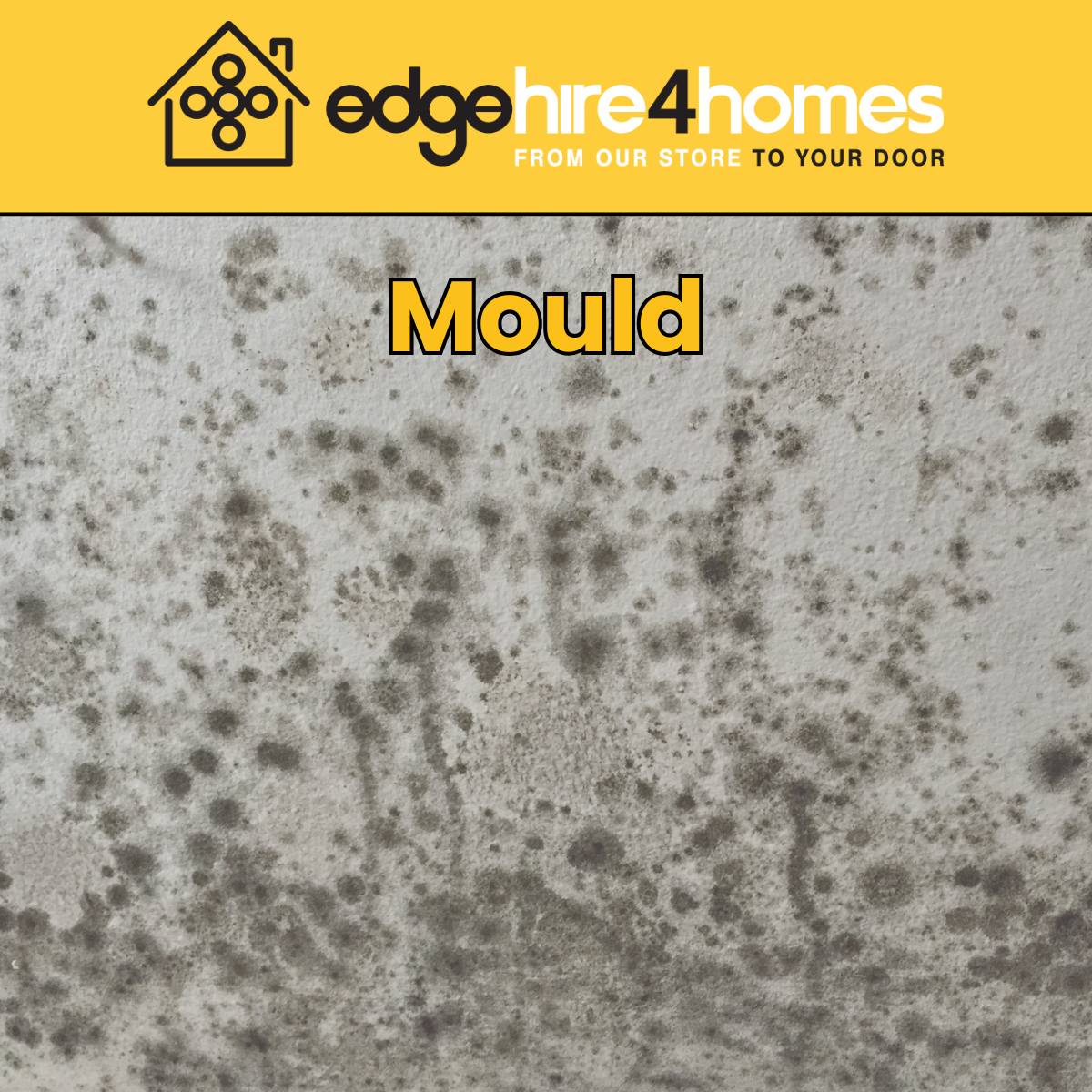
When you discover a leak or a patch of rising damp, the initial reaction is often to “let it air out naturally.” However, in the UK’s 2026 climate, natural evaporation is rarely enough. What starts as a small damp patch today can evolve into a full-scale structural and health crisis in as little as 72 hours.
Here is the breakdown of why hiring a professional dehumidifier now is the most financially sound decision you can make.
Mould spores are always present, but they require moisture to “activate.” Once a surface remains damp for more than 48–72 hours, mould begins to grow deep within the fibres of drywall, wood, and carpet.
The Cost of Prevention: A week of professional dehumidifier hire (approx. £60–£90).
The Cost of Failure: Professional mould remediation, which involves toxic chemical cleaning and often the total replacement of contaminated materials (approx. £1,500–£5,000+).
Water doesn’t just sit on the surface; it travels via capillary action into your floor joists and wall studs. If timber remains at a moisture content of above 20% for an extended period, you risk Dry Rot (Serpula lacrymans).
The Hire Advantage: Our industrial LGR units pull moisture from deep inside the wood, not just the surface.
The Repair Reality: Replacing structural floor joists and treating dry rot can easily run into five-figure sums and may not be fully covered by standard insurance if “negligence” (failing to dry the property) is cited.
Many homeowners try to dry a room by turning the heating up to 30°C and opening the windows.
The Problem: In winter, you are simply heating the neighbourhood while letting in more humid air from the outside.
The Math: An industrial refrigerant dehumidifier is a closed-loop system. It actually returns heat to the room as a by product of the refrigeration cycle. You dry the room faster while using significantly less energy than a central heating system running at full tilt with the windows open.
| Feature | DIY (Heaters & Open Windows) | Pro Hire (LGR Dehumidifier) |
| Drying Time | 2–4 Weeks | 48–72 Hours |
| Risk of Mould | High (Surface dries, core stays wet) | Low (Deep structural drying) |
| Energy Usage | Very High | Efficient / Controlled |
| Final Result | Potential for “secondary damage” | Guaranteed dry to “Standard” |
Most insurance companies require you to “mitigate further loss” following a water event. By hiring a professional drying kit and keeping a log of the moisture readings, you are providing the evidence needed to ensure your claim is processed smoothly.
Don’t let a £70 problem turn into a £7,000 renovation.
Protect your home today. View our [ Drying Equipment] or speak to a specialist about the right extraction capacity for your room.

We specialise in hiring modern, reliable equipment delivered straight to your door, by our people, in our vehicles.