


- 16 June 2026
- By: Edge Admin
- in: Information

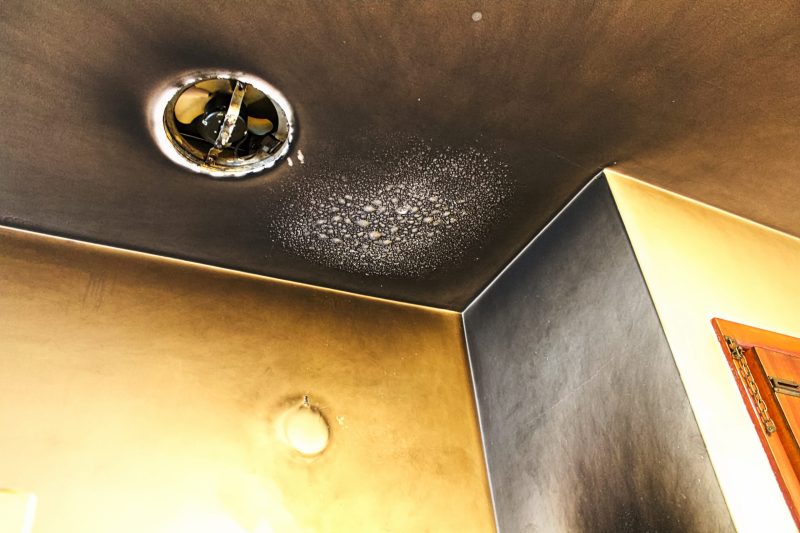
Fire and smoke damage can be devastating for both homes and businesses. While the fire itself may be extinguished quickly, the aftermath leaves behind extensive damage that requires immediate attention. Restoration professionals rely on specialised equipment to address fire, smoke, and soot damage efficiently. Here are some of the key tools used in fire and smoke restoration to ensure a thorough and successful recovery.
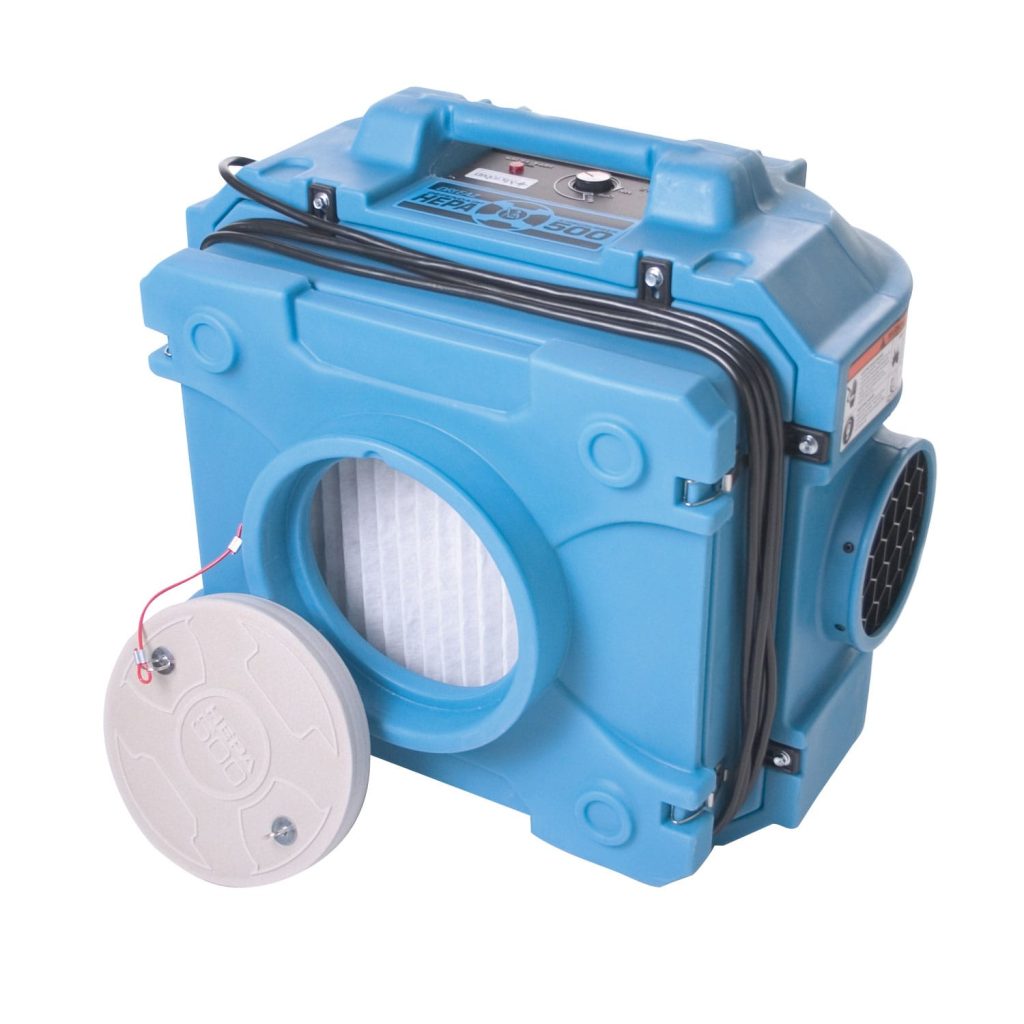 Air Scrubbers with HEPA Filters
After a fire, the air quality in a building can be significantly compromised by soot particles, smoke residue, and harmful chemicals released by burning materials. Air scrubbers equipped with HEPA (High-Efficiency Particulate Air) filters are essential for filtering out these pollutants from the air. HEPA filters capture particles as small as 0.3 microns, ensuring the removal of contaminants that could cause respiratory issues or further damage to the property.
Removing lingering smoke odours is one of the most challenging aspects of fire restoration. Ozone generators and hydroxyl generators are commonly used to neutralise these odours. Ozone generators release ozone molecules that react with and break down smoke particles, effectively deodorising the air. Hydroxyl generators work similarly but can be used in spaces occupied by people and pets, as they produce safe hydroxyl radicals to remove odours without toxic by-products.
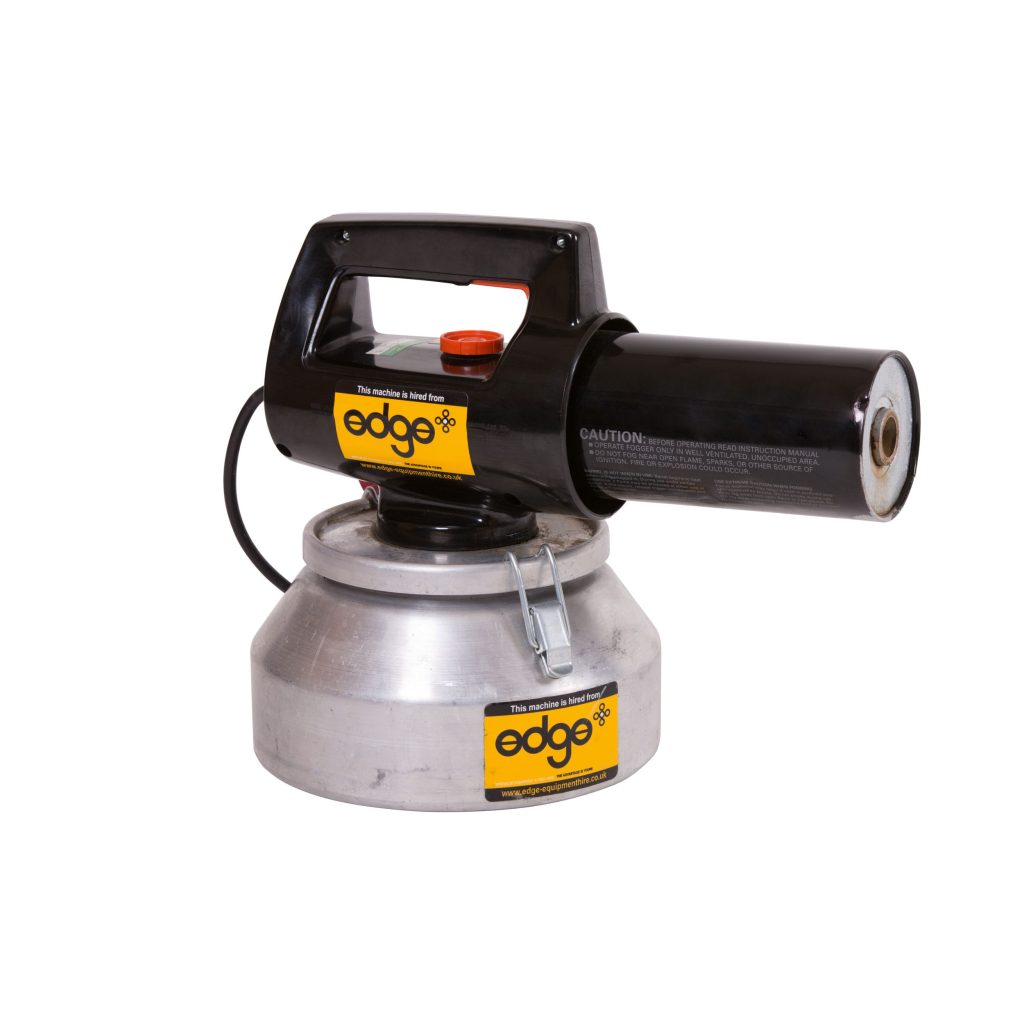
For deep-penetrating smoke odours that embed in porous materials like walls, carpets, and furniture, thermal foggers are invaluable. These devices produce a fine, deodorising fog that penetrates the same areas as the smoke, neutralising odours at their source. Fogging ensures that even the smallest particles trapped in fabrics and materials are addressed, restoring freshness to the affected areas.
Soot and smoke can leave black, greasy residue on walls, ceilings, and other surfaces. Dry cleaning sponges, commonly known as soot or chemical sponges, are designed to lift and remove this residue without spreading it further. These sponges are highly effective on surfaces like drywall and plaster, where traditional cleaning methods could cause more damage. They provide an essential first step in the cleaning process before wet cleaning or deeper restoration begins.
In some cases, exterior walls, driveways, and other hard surfaces are affected by soot or smoke damage. High-powered pressure washers are used to clean these surfaces quickly and thoroughly. They remove layers of soot, grime, and ash that have built up, restoring the property’s exterior to its original state. Pressure washers are particularly useful for brick, stone, and concrete surfaces that can withstand high pressure.
Although often associated with water damage restoration, dehumidifiers and air movers are essential in fire restoration as well. Water used to extinguish the fire can cause secondary damage through excess moisture, leading to mould growth and structural weakening. Dehumidifiers and air movers help to dry out the property, preventing further issues and accelerating the restoration process.
Fire and smoke damage restoration is a complex process that requires specialised equipment to ensure thorough cleaning and deodorisation. From air scrubbers and ozone generators to pressure washers and soot sponges, having the right tools enables restoration professionals to restore homes and businesses effectively, making them safe and liveable once again.

We specialise in hiring modern, reliable equipment delivered straight to your door, by our people, in our vehicles.